
- District
- Membership
- Services and Support
- News and Events
FA
The head of Pardis Science and Technology Branch emphasizes the need for new architectural frameworks to address emerging technological paradigms.
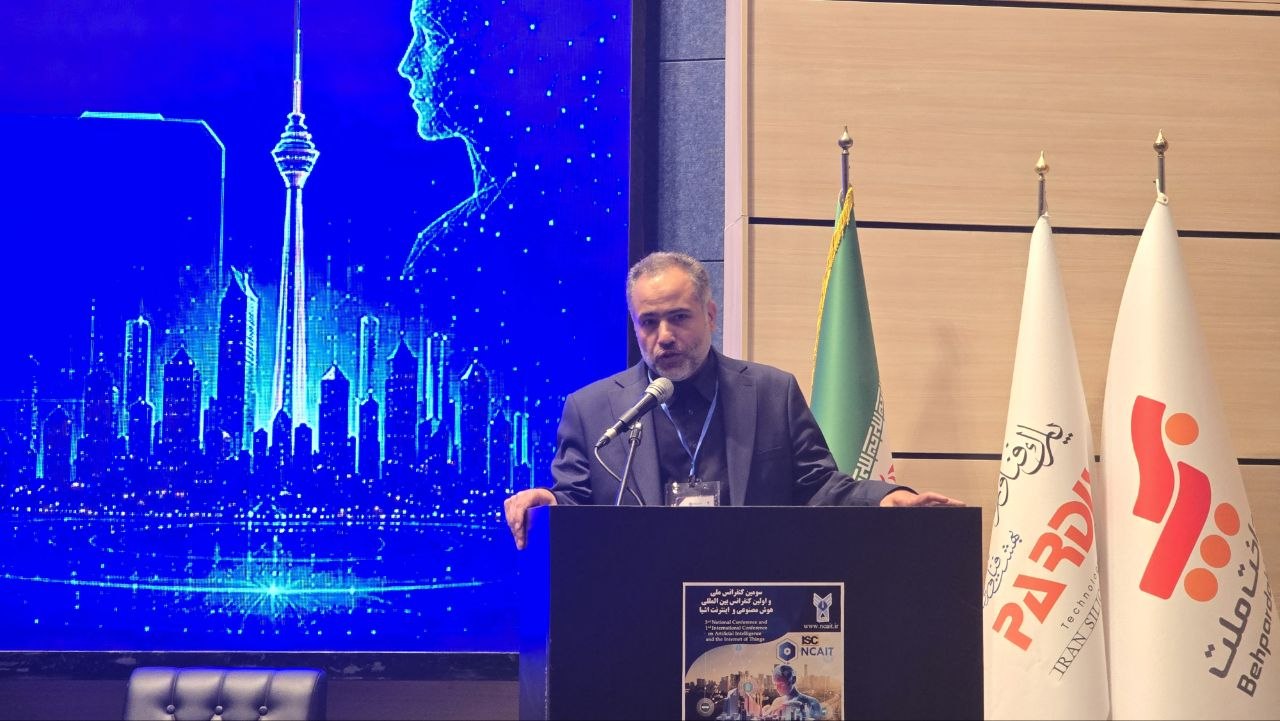
On September 4, 2026, at INOTEX 2026, Dr. Hossein Asghari Shivaie, President of Islamic Azad University, Pardis Science and Technology Branch, stated that AI and quantum computing will fundamentally alter concepts of identity, privacy, and cybersecurity, requiring new digital architectures.
Speaking at the opening of the 3rd National and 1st International Conference on AI and IoT, held alongside the Iran International Innovation & Technology Exhibition (INOTEX) at Pardis Technology Park (PTP), Dr. Asghari Shivaie outlined the profound structural shifts expected in the digital landscape. According to the INOTEX 2026 News Center, the integration of advanced technologies will render many traditional regulatory and security frameworks obsolete.
Key technological and architectural shifts highlighted include:
Dr. Asghari Shivaie concluded by urging a realistic, balanced perspective on technological development. He warned that, historically, technological paradigm shifts often benefit a narrow group of stakeholders, emphasizing that future AI architectures must be designed with explicit consideration for their broader social, economic, and human impacts.
CMS Hashtags: #ArtificialIntelligence #QuantumComputing #Cybersecurity #INOTEX2026 #DigitalIdentityTIM 2022
The first steering council meeting of TIM 2022 was held
Secretary General of D8 Organization said:
Using Update Technologies is the Only Way to Achieve Sustainable Economic Growth in D8 Development

Aiming to develop Iran-Uzbekistan cooperation
Pardis Technology Park, Yashnabad Technology Park Ink Mou on Technological Cooperation
Along with unveiling of 5 pharmaceutical products of a member company of Pardis Technology Park;
Iran’s President visits Pardis Technology Park