
- District
- Membership
- Services and Support
- News and Events
FA
Shahab Javanmardi outlines the impact of cyberattacks, market contraction, and internet disruptions on Iran's digital economy.
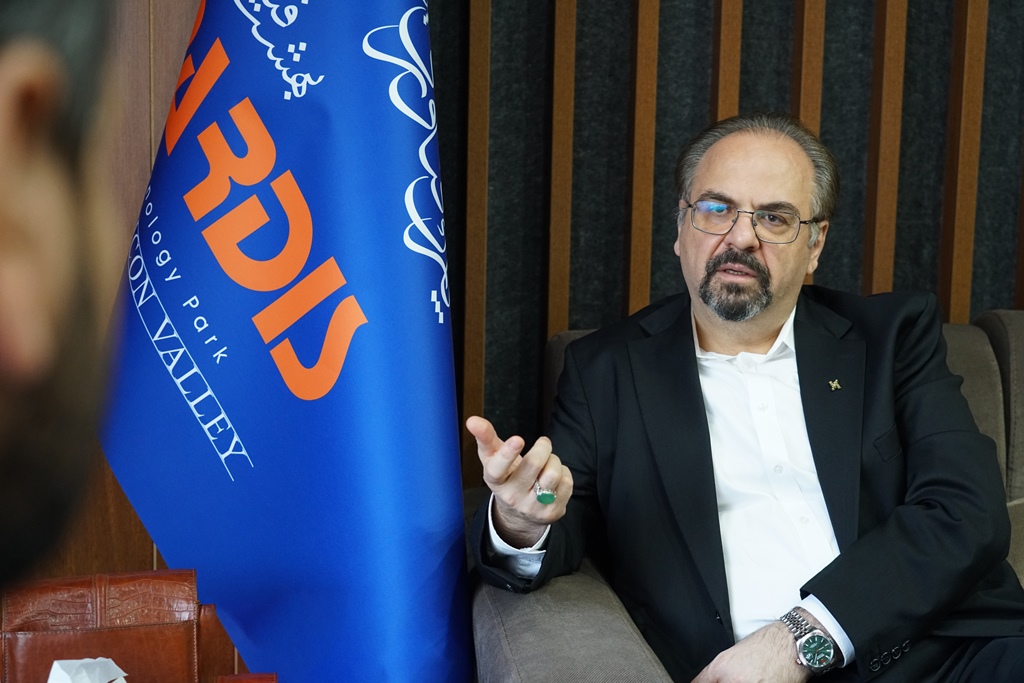
In a recent analytical review of the past year, the CEO of Fanap Holding detailed how recent regional conflicts and compounded crises have fundamentally altered the paradigm of business continuity and technology management in Iran. According to industry reports, the convergence of physical and cyber threats has forced a massive reallocation of resources from development to infrastructure hardening.
Key operational and macroeconomic challenges highlighted include:
Javanmardi concluded that surviving this unprecedented volatility requires a fundamental shift in problem-solving approaches, urging macro-level policymakers to engage in a serious, unified dialogue to stabilize the foundational pillars of the national digital economy.
CMS Hashtags: #DigitalEconomy #Cybersecurity #FanapHolding #BusinessContinuity #TechResilienceTIM 2022
The first steering council meeting of TIM 2022 was held
Secretary General of D8 Organization said:
Using Update Technologies is the Only Way to Achieve Sustainable Economic Growth in D8 Development

Aiming to develop Iran-Uzbekistan cooperation
Pardis Technology Park, Yashnabad Technology Park Ink Mou on Technological Cooperation
Along with unveiling of 5 pharmaceutical products of a member company of Pardis Technology Park;
Iran’s President visits Pardis Technology Park