


Tech Park Officials Emphasize Innovative Urban Design, Smart Land Allocation, and Safeguarding Technological Identity
Iran's Tech Parks Must Evolve into 'Knowledge Cities,' Experts Say
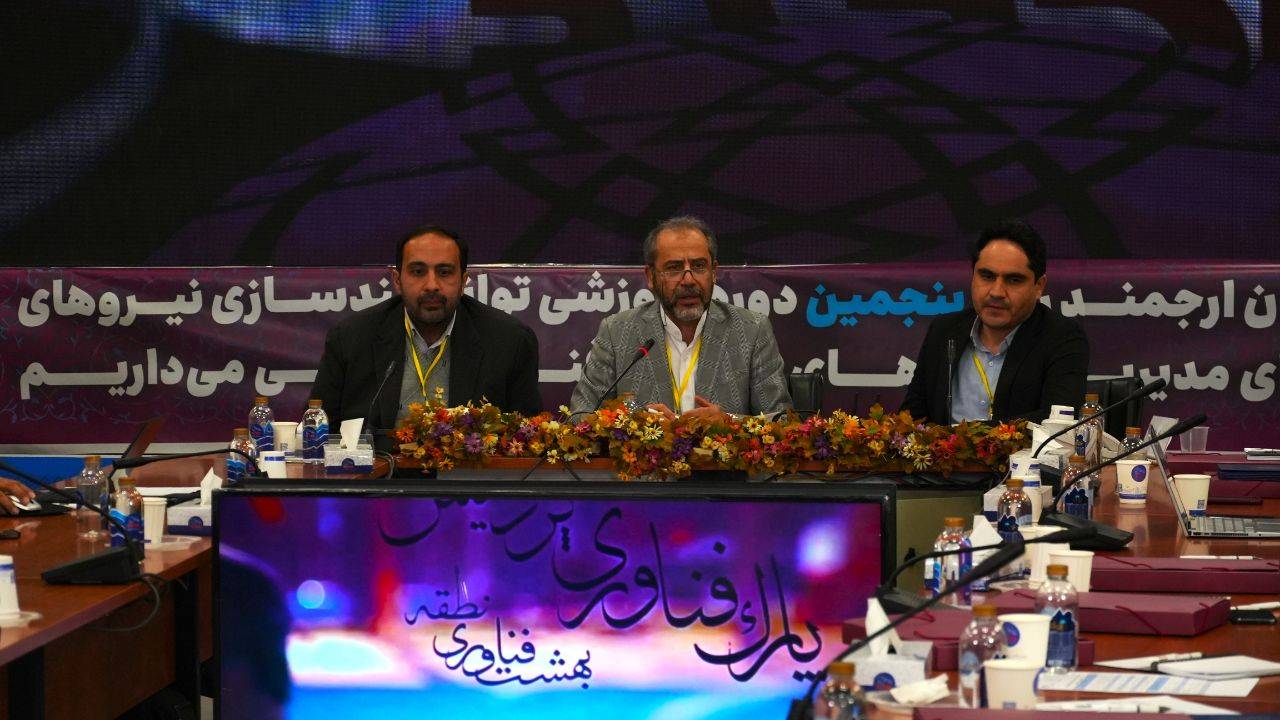
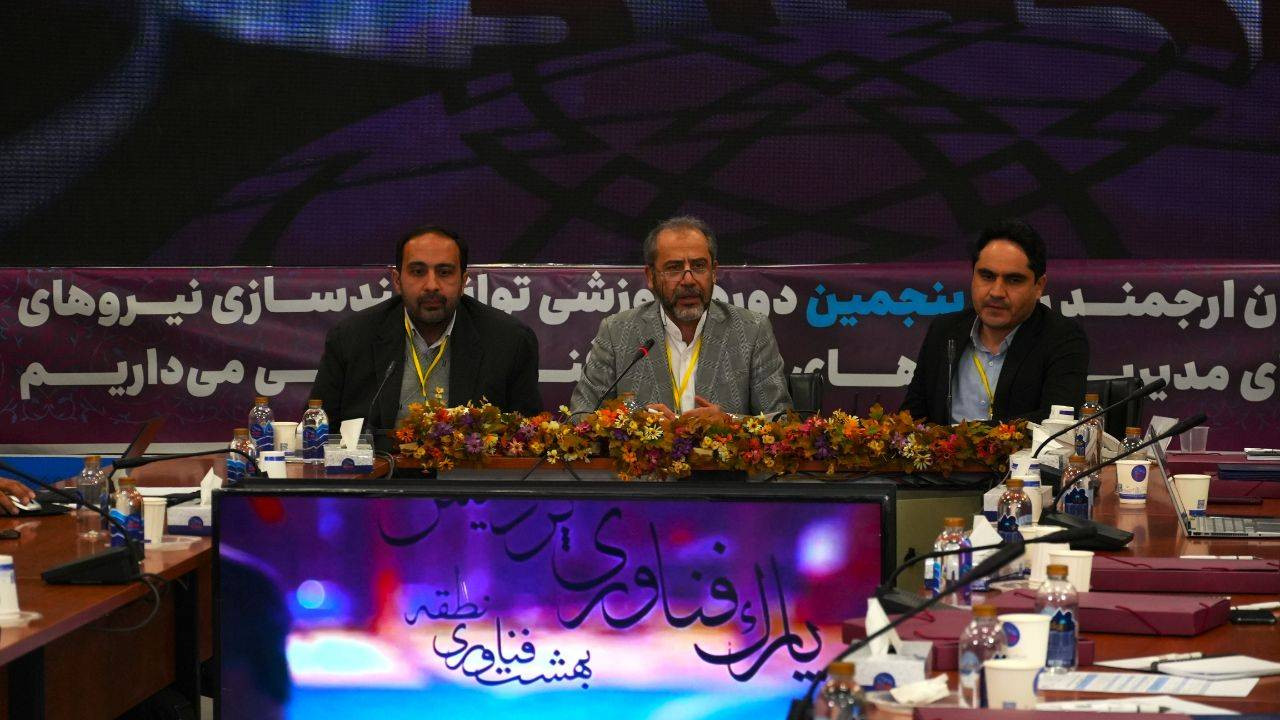
Iranian science and technology parks must transcend their traditional role as mere administrative complexes and transform into dynamic "knowledge cities" that integrate living, working, and creativity, officials emphasized during a panel at the 5th empowerment course for tech park managers, held at Pardis Technology Park (PTP).
The panel on "Urban Management and Land Allocation," featuring experts from PTP and Isfahan Science & Technology Town, explored strategies for physical development that align with the innovation ecosystem's needs.
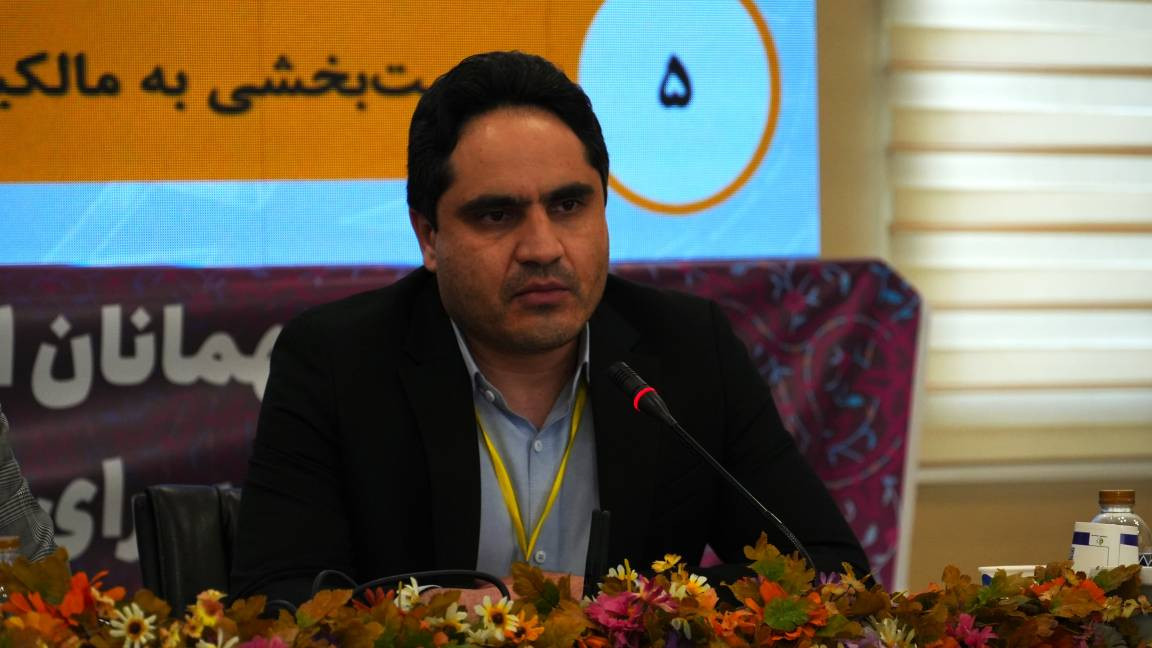
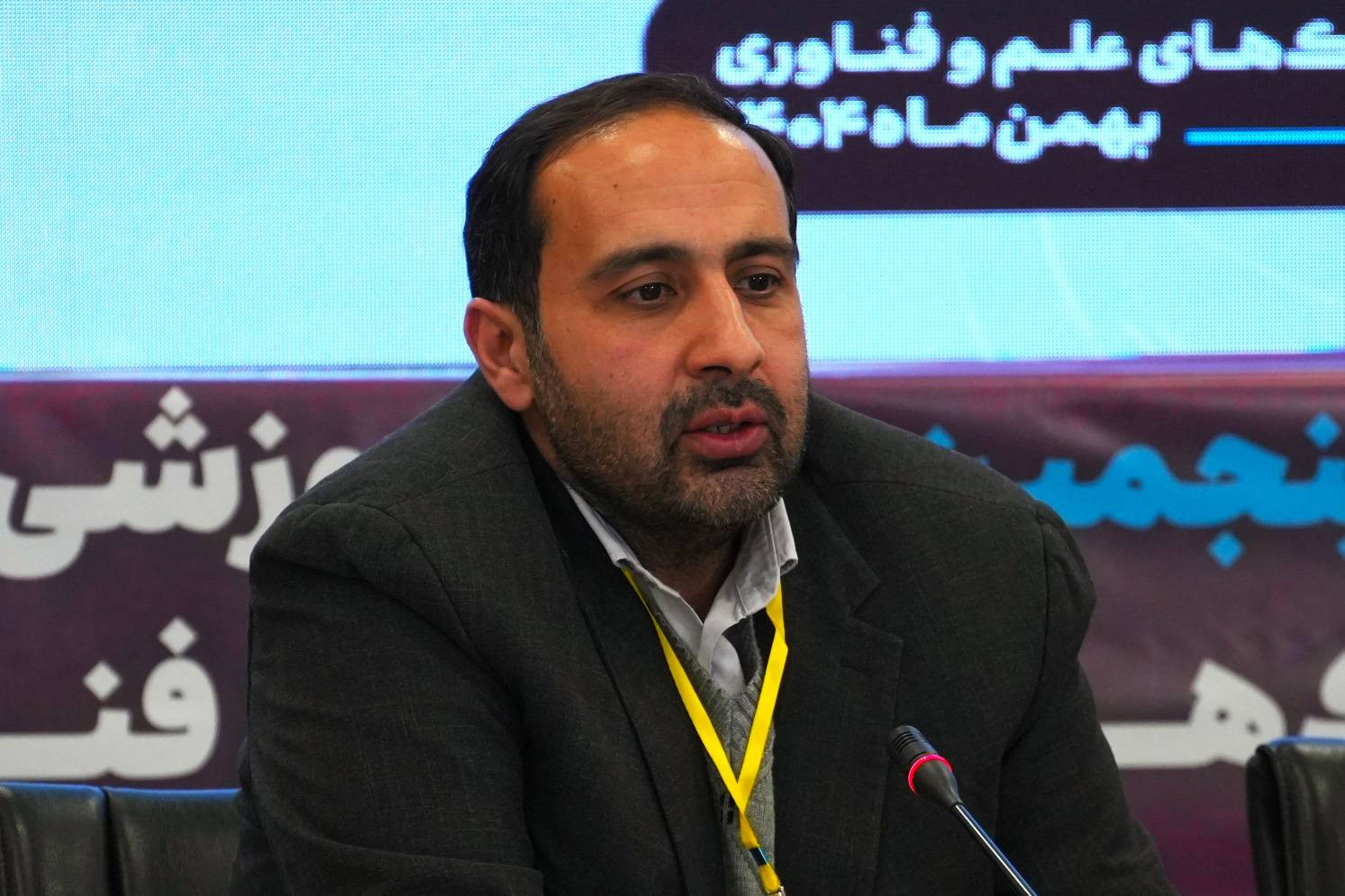
Hamid Khordnia, Deputy for Technical and Engineering at PTP, advocated for "phased development" as a key strategy for optimal resource management and risk reduction. "Implementing the master plan phase by phase allows adaptation to new technological needs and benefits from the experience of earlier stages," he explained. He identified three critical components for building trust with tech companies: reducing investment risks, ensuring transparent regulations, and providing sustainable infrastructure. Khordnia stressed that tech parks must maintain an innovative identity in their urban design to foster a "knowledge city" where life, work, interaction, and creativity converge.
Vahid Hashemi, Head of the Presidential Office at Isfahan Science & Technology Town, highlighted the primacy of infrastructure. "Allocating land without securing water, electricity, gas, and proper access is practically non-functional and can create future legal and financial problems," he warned. He advocated for a hybrid land allocation model where land ownership remains public, but companies can own the structures they build, thereby strengthening investment incentives. Hashemi emphasized that physical development is not merely about increasing building counts but must also anticipate infrastructure for living, education, and interaction among technologists.
Hamid Mahdavi, Advisor to the President for Infrastructure Development at Isfahan Science & Technology Town and panel moderator, underscored the need for continuous oversight of companies operating on allocated land. "Allocation contracts include specific conditions to preserve the parks' technological mission. Companies are obligated to operate within the defined framework," he stated. He noted that unauthorized changes in land use, cessation of activity, or transfer to third parties could disrupt the innovation ecosystem's order. Mahdavi also pointed out that even without suitable land, parks can foster networking, attract investment, and support tech companies by creating co-working spaces, joint R&D centers, and semi-industrial production infrastructure.
The panel concluded that the future of science and technology parks depends not only on policymaking and financial support but also on intelligent urban architecture, sustainable infrastructure, and precise governance in land allocation—all aimed at transforming parks into dynamic and competitive knowledge cities.
Quick Access

Address: Pardis Technology Park, 20th km of Damavand Road (Main Stresst), Tehran I.R. Iran.
Postal Code: 1657163871

Tel: 76250250 _ 021
Fax: 76250100 _ 021
E-mail: info@techpark.ir
website:iiid.tech
Partner Organizations