
- District
- Membership
- Services and Support
- News and Events
EN
Mohammad Reza Ghasemi urges a shift from linear policymaking to participatory governance to catch up with regional competitors.

On September 9, 2026, at INOTEX 2026, Mohammad Reza Ghasemi, advisor to the Parliament’s AI Fraction, warned that linear policymaking and bureaucratic delays are causing Iran to miss critical windows of opportunity in artificial intelligence.
During a specialized panel at the Iran International Innovation & Technology Exhibition (INOTEX), Ghasemi analyzed the structural challenges hindering the national AI ecosystem. According to the INOTEX 2026 News Center, he drew direct parallels between current AI governance struggles and past missteps in cyberspace regulation.
Key analytical points and historical timelines highlighted include:
Ghasemi concluded that while domestic achievements in AI exist, the absence of a cohesive, authoritative governance structure has allowed neighboring countries to outpace Iran, making the immediate adoption of participatory governance essential for future technological sovereignty.
CMS Hashtags: #INOTEX2026 #ArtificialIntelligence #TechGovernance #InnovationPolicy #DigitalEconomy
TIM 2022
The first steering council meeting of TIM 2022 was held
Secretary General of D8 Organization said:
Using Update Technologies is the Only Way to Achieve Sustainable Economic Growth in D8 Development
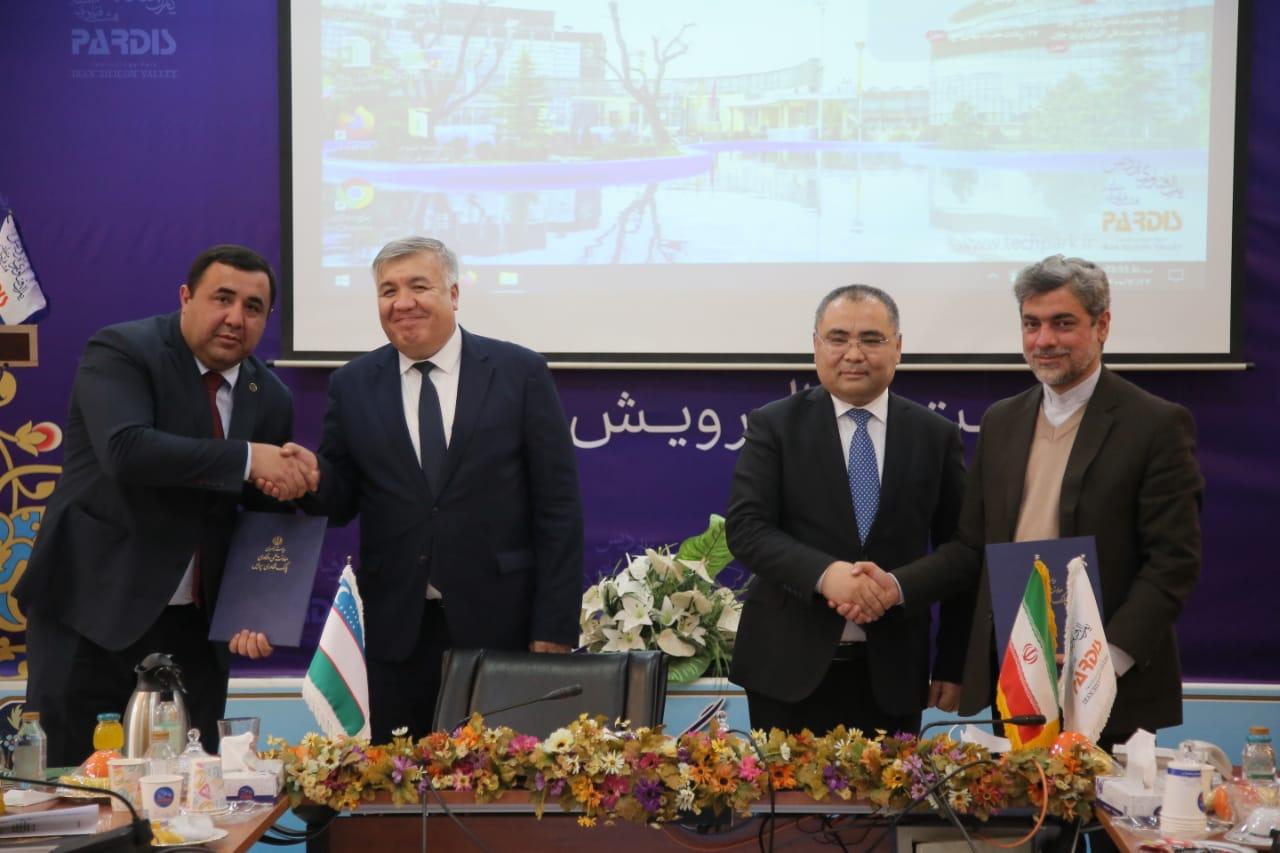
Aiming to develop Iran-Uzbekistan cooperation
Pardis Technology Park, Yashnabad Technology Park Ink Mou on Technological Cooperation
Along with unveiling of 5 pharmaceutical products of a member company of Pardis Technology Park;
Iran’s President visits Pardis Technology Park