


HR Leaders Redefine Talent War in Era of Uncertainty
Iran's Innovation District Hosts HR Gathering on Retention, Data-Driven Decisions, and Building Secure Organizations
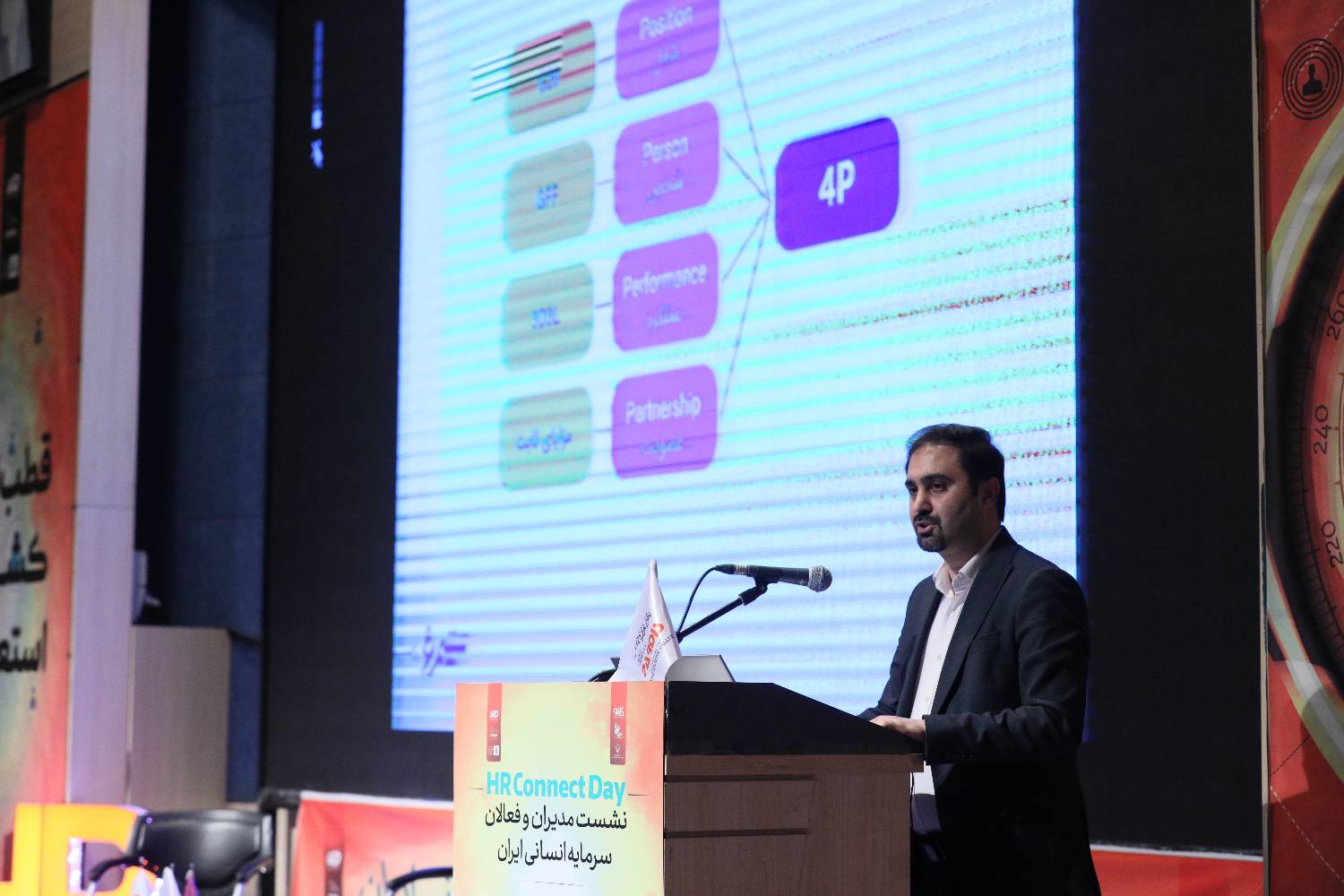
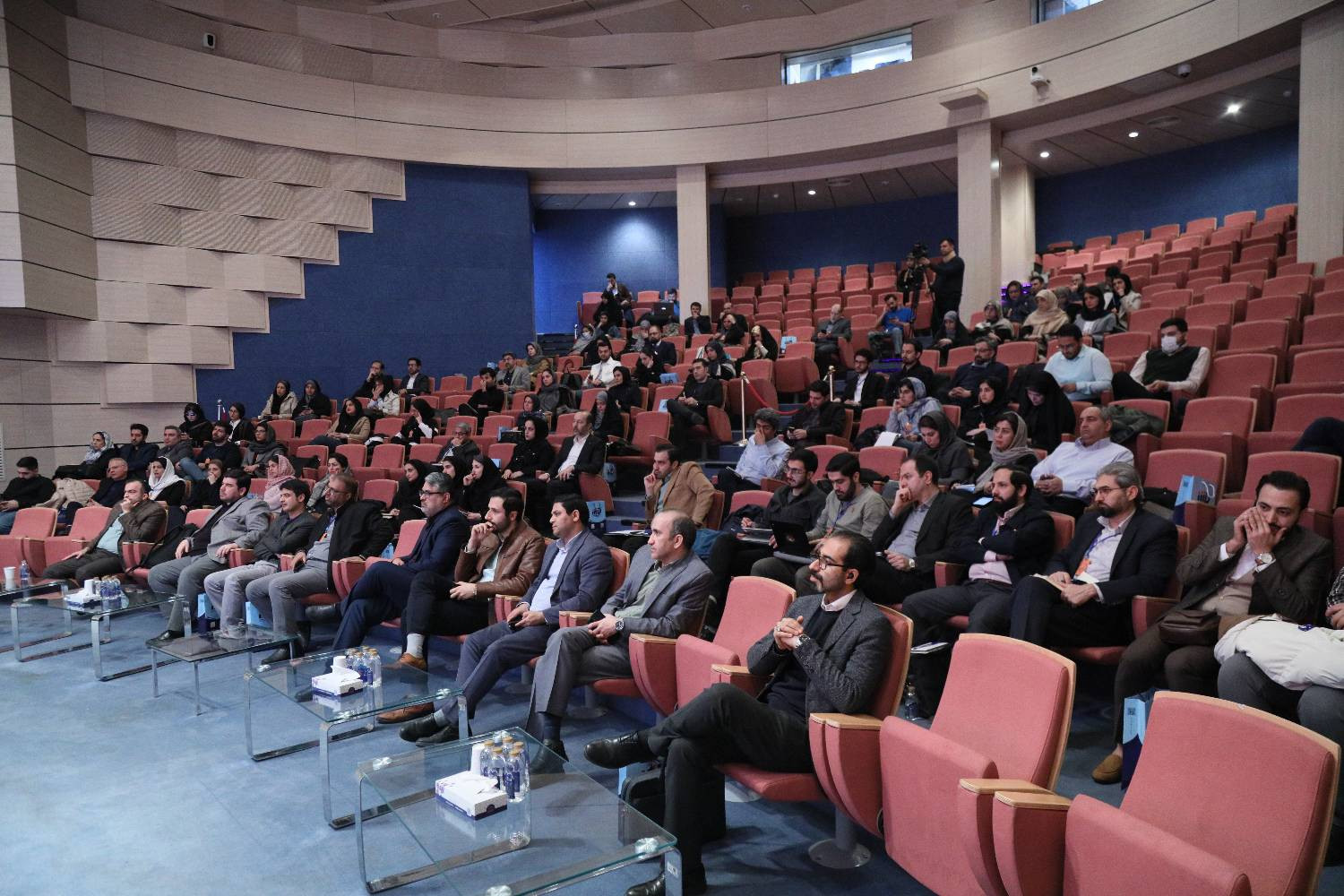
The third gathering of Human Capital Managers from member companies of the Iran International Innovation District (IIID) convened to address shifting paradigms in talent management. Senior HR professionals and advisors explored the transition from pure talent acquisition to strategic retention, the imperative of data-driven decision-making, and the reconstruction of trust within the workplace.
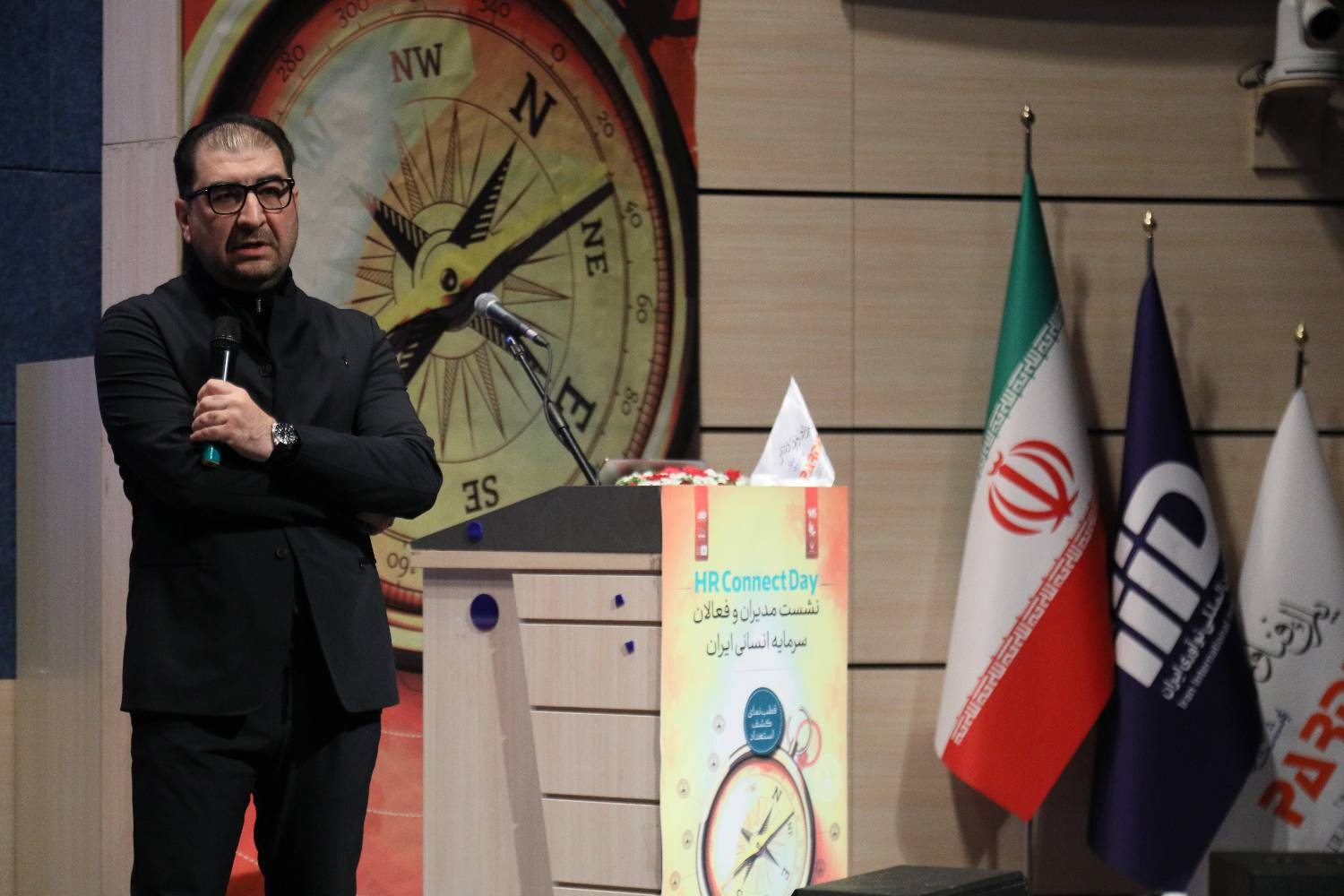
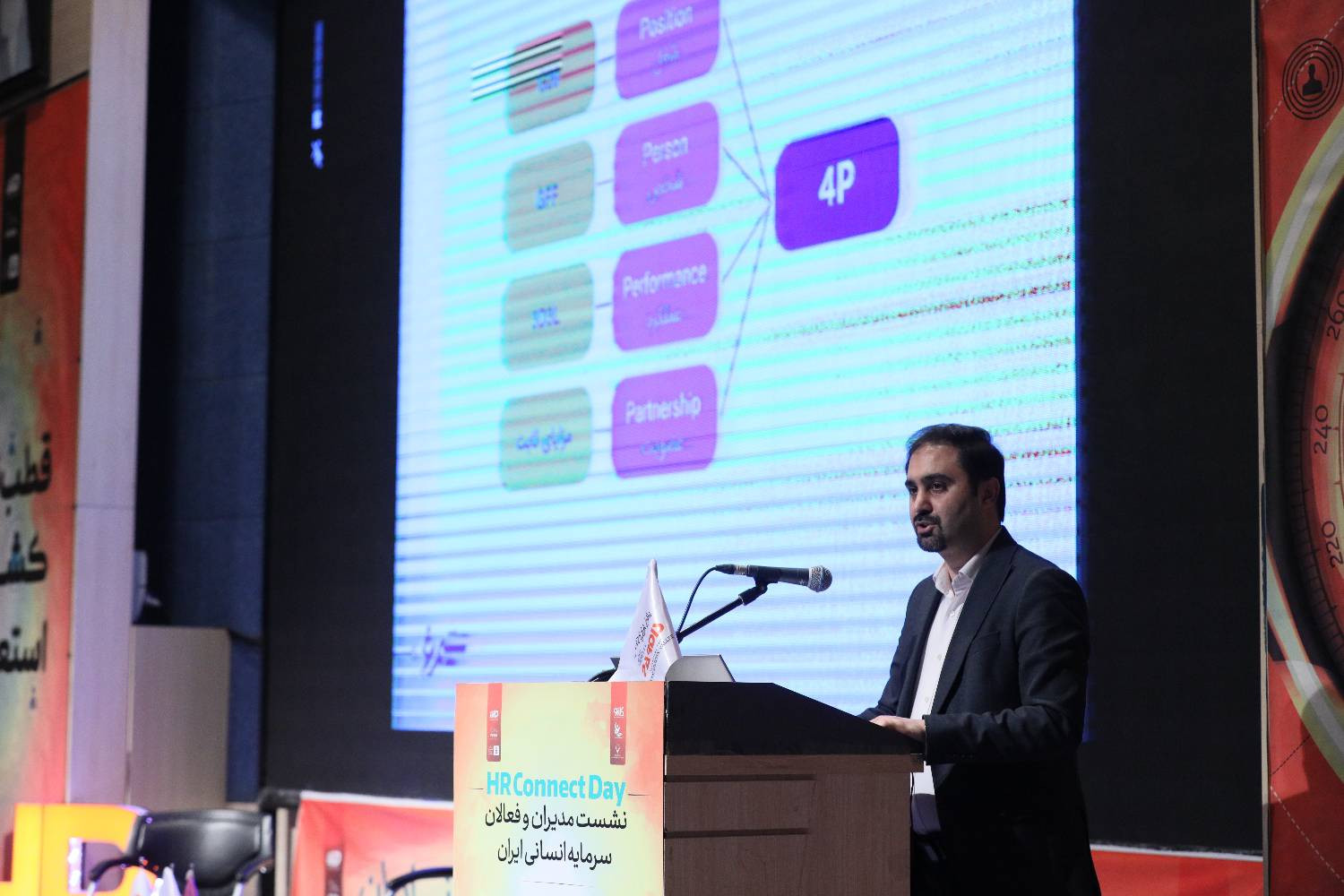
Held at the Pardis Technology Park (PTP) conference hall, the specialized event featured a series of panels and speeches tackling key human capital challenges within the innovation ecosystem.
The Main Battle is Over "Retention"
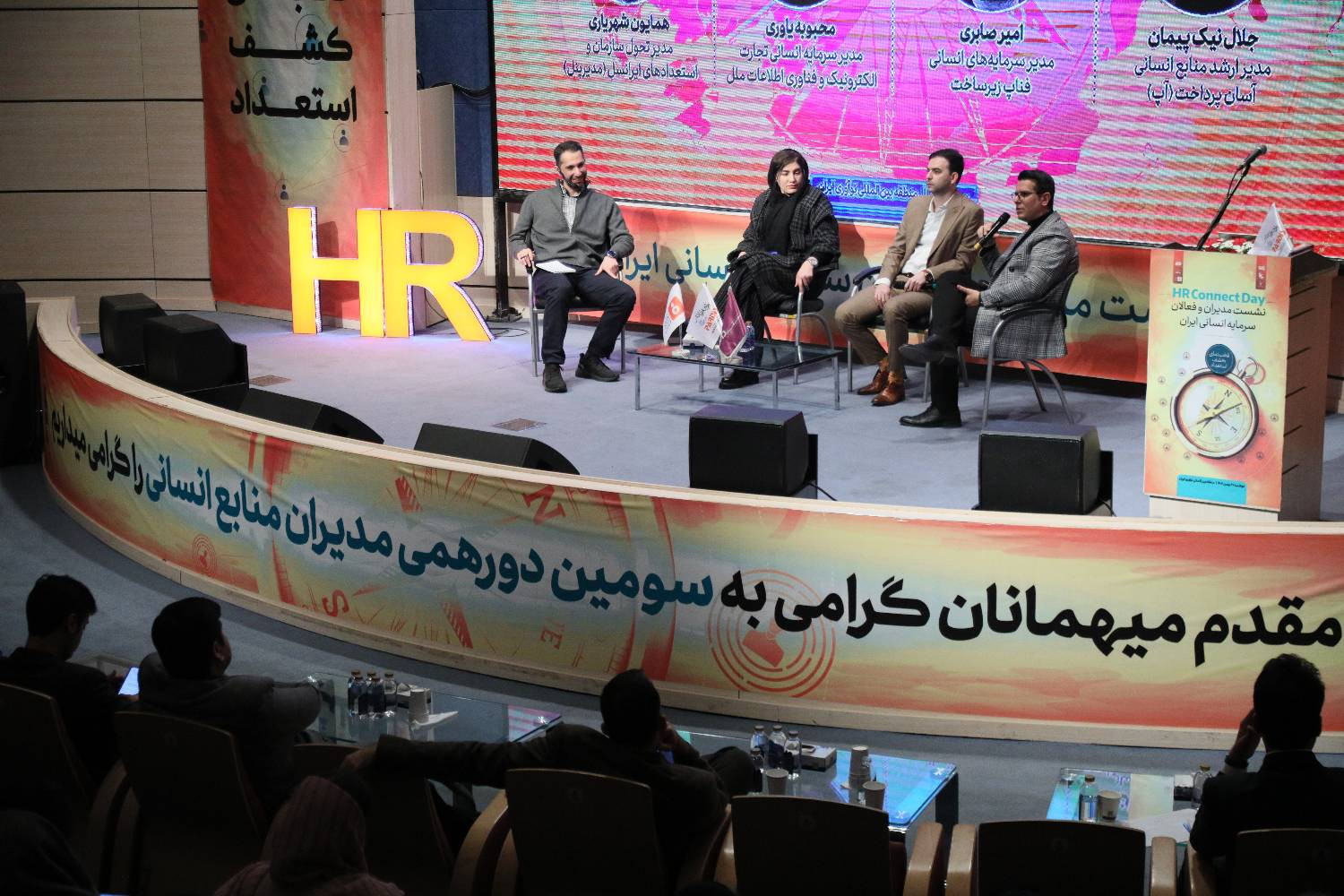
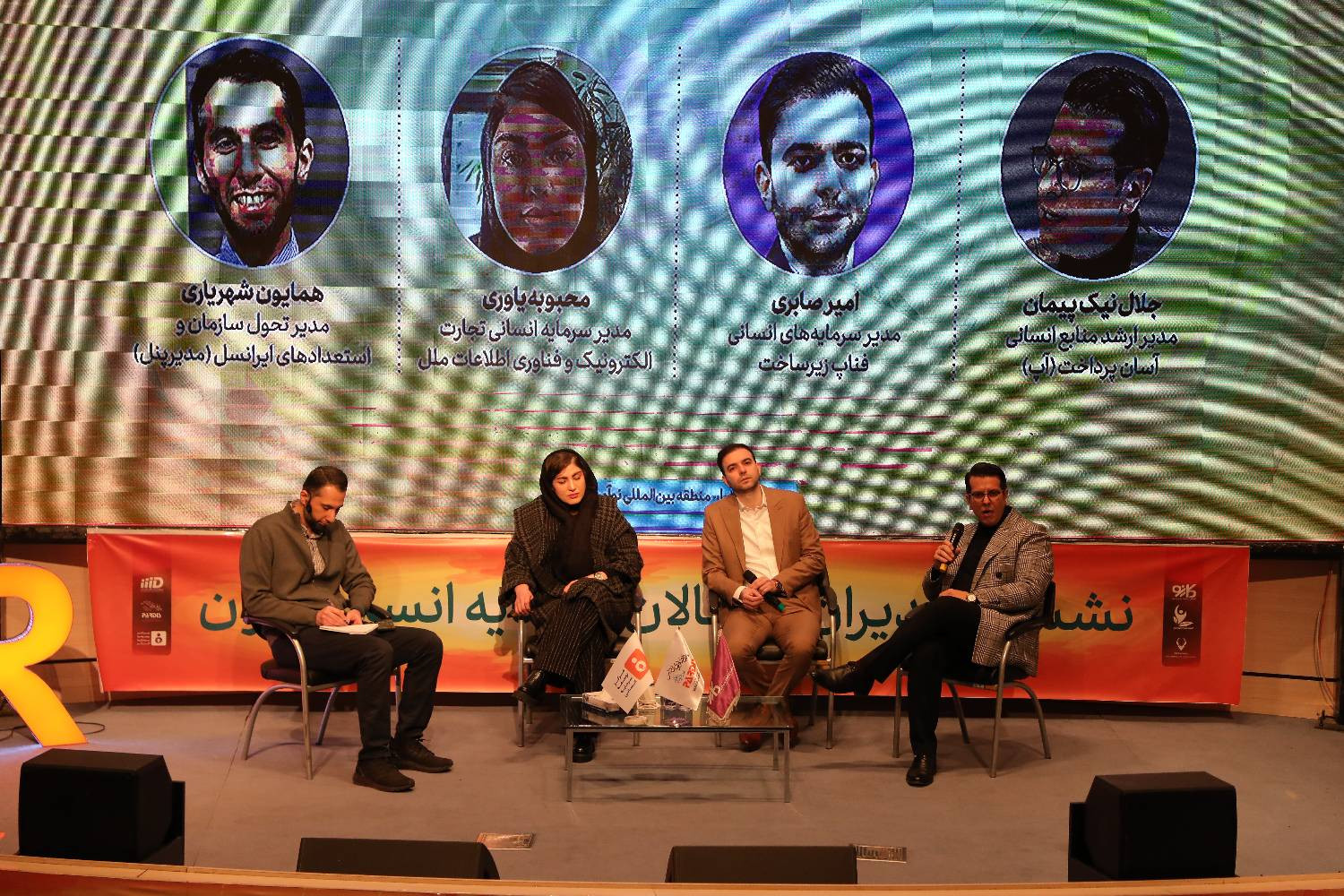
In a panel titled "The Talent War: How Do Organizations Win?", Homayoun Shahriari, Director of Organizational and Talent Transformation at Irancell, highlighted the changing nature of competition in the labor market. He emphasized that while attracting talent was once the primary concern, the core challenge today is retention, stating, "We have entered the retention war." Shahriari also pointed to policy challenges, including military service obligations and barriers to women's employment, suggesting that reforms in these areas and targeted skills development are essential for enhancing national productivity.
Jalal Nikpeyman, Senior HR Manager at Asan Pardakht, stressed that employee experience is the most critical factor in an organization's ability to retain talent. He argued that as migration—both physical and virtual—increases, organizations can only build sustainable competitive advantage by designing positive and meaningful experiences for their employees.
Amir Saberi, HR Manager at Fanap Infrastructure, noted the country's annual need for tens of thousands of skilled professionals and highlighted a significant gap between supply and demand for expertise. "An employer brand is only credible when current employees willingly recommend the organization," he stated. He advocated for effective university engagement and creative recruitment methods to strengthen the talent pipeline.
Data-Driven HR Decisions are Crucial
A panel on "From Data to Decision: Smart Analytics in Talent Recruitment" underscored the necessity of aligning HR with overall organizational strategy.
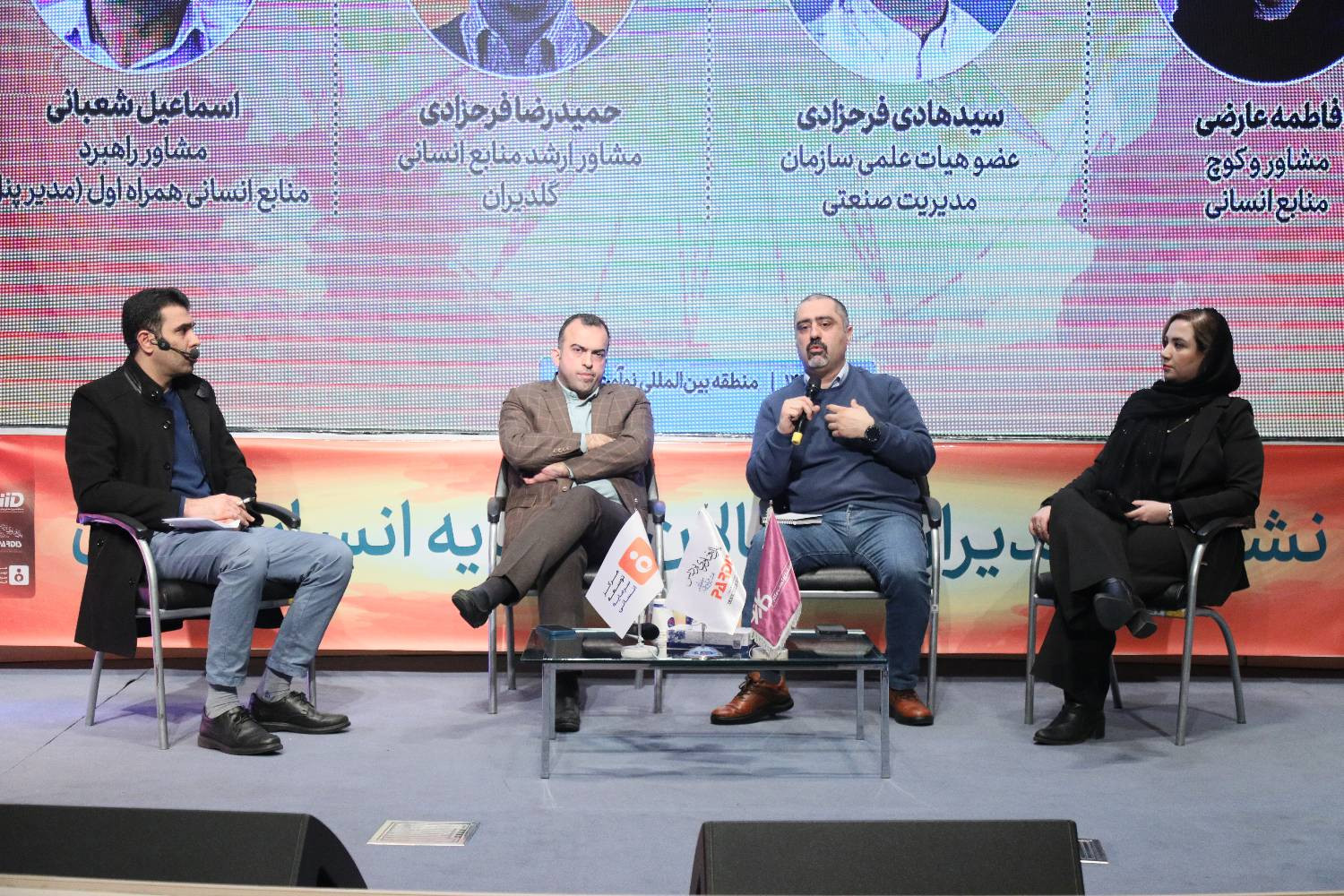
Fatemeh Arezi, an HR consultant and coach, warned that many unsuccessful hires result from a lack of clear definition regarding the purpose of a job position. She outlined criteria for successful recruitment: the new hire must generate performance above the existing level, demonstrate value creation that justifies the cost, and maintain effective tenure for at least two to three years.
Esmaeil Shabani, Strategic HR Consultant at Hamrah-e Aval, noted the expansion of labor market data and salary reports, observing that while data provides a clearer picture of competition, it is ultimately the analysis and decisions of managers that determine outcomes. He described digital transformation in HR as less about tools and more dependent on a cultural shift towards data-driven thinking at senior management levels.
Building in an Age of Uncertainty
Majid Kianpour, CEO and founder of Shaparak-e Abi, advised organizations not to wait for conditions to change, but to proactively build the future. He stated that uncertainty erodes an organization and that the only way to navigate ambiguity is by investing in human capabilities and building learning teams. "The future belongs to managers who choose to 'build an organization' rather than just being popular," he asserted.
Fairness: The Missing Link in Compensation
Majid Fazeli, CEO of Simorgh HR Systems, likened human resources to a bird with two wings: "compensation" and "performance management." He clarified that the core issue in compensation is not the salary figure itself, but the perception of fairness—employees' belief that their pay is commensurate with the value of their job and their performance. Without a tangible link between actual performance and compensation, no payment system can be sustainable, he argued.
Organizations Must Become "Safe Havens"
In the final session, Mohammad Mehdi Piroozan, an HR consultant and coach, addressed growing feelings of frustration, fatigue, and distrust among employees, warning that this can lead to a decline in organizational commitment and even active harm to the business. He attributed these issues to generational gaps, a crisis of trust, and the collapse of the "dream of progress." Piroozan suggested that organizations can become a safe environment for employees by fostering transparency in decision-making, creating genuine dialogue, training managers in active listening, and enhancing empathy.
The third gathering of Human Capital Managers at the Iran International Innovation District (IIID) ultimately converged on a shared conclusion: in a knowledge-based economy, sustainable competitive advantage is forged not in physical assets, but in the quality of an organization's relationship with its people—a relationship built on trust, data, and fairness that can endure even the most unstable conditions.
Quick Access

Address: Pardis Technology Park, 20th km of Damavand Road (Main Stresst), Tehran I.R. Iran.
Postal Code: 1657163871

Tel: 76250250 _ 021
Fax: 76250100 _ 021
E-mail: info@techpark.ir
website:iiid.tech
Partner Organizations